
This introductory section outlines the purpose of a biblical numerology PDF, highlighting its role as a study aid that compiles numerical insights from Scripture. It explains how the PDF format enables easy reference, cross‑checking, and sharing among scholars and enthusiasts. Use it daily. now!
1.1 What Is Biblical Numerology?
Biblical numerology is the systematic exploration of numbers that appear in the Bible, seeking patterns that reveal divine design, theological themes, and prophetic symbolism. It goes beyond simple arithmetic, interpreting numbers as archetypal signs that point to deeper spiritual realities. Scholars trace its origins to ancient Near‑Eastern traditions, yet the biblical context gives it a distinct theological focus. In a biblical numerology PDF, these insights are compiled into a cohesive, searchable document that can be accessed on any device. The PDF format allows for easy navigation through indexed sections, hyperlinks to verses, and embedded charts that illustrate numerical relationships. It also supports annotations, enabling readers to add personal notes or cross‑references. For pastors and teachers, the PDF becomes a ready‑made teaching aid, streamlining sermon preparation and study group discussions. Students benefit from having a single source that consolidates verses, commentaries, and interpretive methods, reducing the need to flip between multiple texts. The digital format also facilitates sharing with online platforms, ensuring that the study material can reach a wider audience. Ultimately, a biblical numerology PDF transforms complex numerical data into an engaging, user‑friendly resource that encourages deeper reflection on the Scriptures. By organizing verses thematically, the PDF highlights motifs such as the number seven’s symbolism of perfection, the number twelve’s representation of governance, and the number forty’s association with trial. Users can locate passages where these numbers appear, compare contexts, and draw connections across books. The PDF’s search function enhances study efficiency, making it an indispensable for uncovering Scripture’s hidden numerical structure.

Historical Context
The biblical numerology PDF traces its roots to Near‑Eastern cultures, where numbers symbolized cosmology and governance. Scholars note early Jewish writers incorporated numerological motifs, reflecting divine order. Modern PDFs compile insights, offering contextual study and references scholars!!
2.1 Roots in Ancient Near Eastern Traditions
The biblical numerology PDF serves as a bridge between ancient wisdom and contemporary scholarship. By compiling data from the Hebrew Bible, the New Testament, and related apocrypha, it preserves the numerical symbolism that shaped early Jewish thought. This document highlights how numbers such as three, seven, and twelve were not merely arithmetic but encoded cosmological and theological concepts.
- Three often represents divine revelation, as seen in the Trinity and the threefold covenant.
- Twelve denotes authority, evident in the twelve tribes of Israel and the twelve apostles.
- Seven symbolizes completeness, reflected in the seven days of creation and the seven seals.
Through careful annotation, the PDF allows readers to trace the evolution of numerological ideas from Sumerian cuneiform tablets to the Hebrew prophetic tradition. It demonstrates that numerical patterns were integral to the worldview of ancient Near‑Eastern societies, influencing rituals, law, and scripture composition. Scholars can use this resource to compare biblical passages with contemporary Mesopotamian and Egyptian texts, revealing shared motifs and distinct theological developments. The PDF format ensures accessibility, enabling educators to distribute study guides, and students to engage with primary sources in a structured, searchable format. Readers can annotate margins, cross‑reference verses, and compile tables for deeper insight.
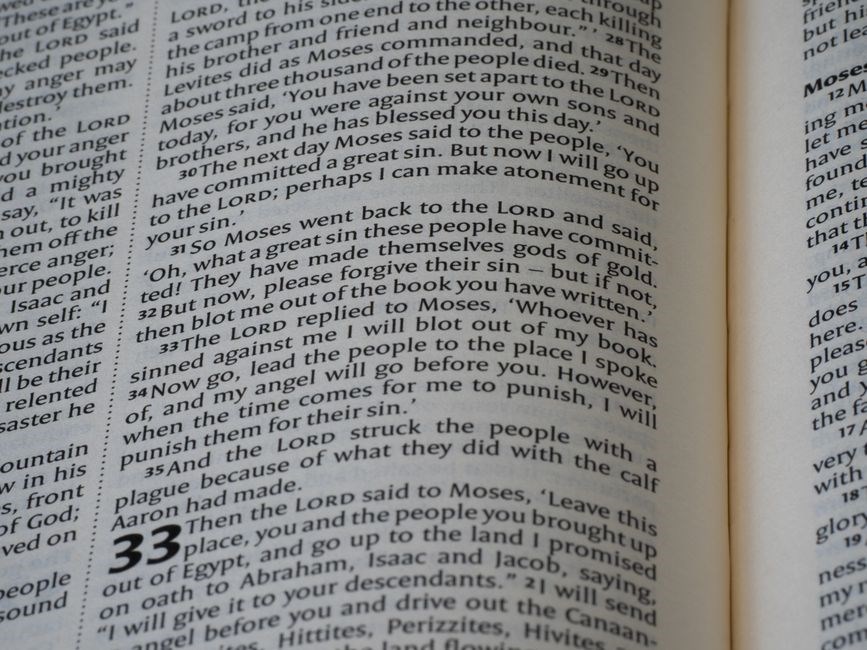
Key Numbers in Scripture
This PDF section catalogs pivotal numerals—three, seven, twelve—explaining their theological weight. Three signifies divine revelation, seven denotes completeness, and twelve represents divine governance. Readers can reference verses, compare contexts, and annotate insights. Deepen study now.
3.1 The Number Seven: Completion and Perfection
In a biblical numerology PDF, the number seven stands out as a recurring motif that signals divine completeness. From the six days of creation to the seventh day of rest, the pattern echoes throughout Scripture. Seven days of the week, seven churches, seven seals, seven trumpets, and seven bowls all point to God’s perfect order. This motif invites believers to recognize that God’s creative work is finished and that His covenant is whole. The PDF compiles these instances, allowing readers to cross‑reference verses, annotate symbolic meanings, and compare how the number shapes narrative arcs. By highlighting the seven‑centric passages, the PDF becomes a practical tool for students and pastors alike, illustrating how the number frames the biblical worldview and encourages a disciplined, reverent approach to faith. The design includes hyperlinks to key passages, sidebars explaining theological implications, and a glossary of terms, making navigation effortless. Whether preparing a sermon, studying for a class, or exploring hidden patterns, the seven section offers a concise yet comprehensive guide to understanding this foundational number in biblical numerology. The PDF also highlights the symbolic use of seven in covenantal contexts, such as the seven days of the Feast of Tabernacles and the seven years of famine in Genesis. These examples illustrate how the number seven frames God’s promises and serves as a reminder of His faithfulness throughout history for believers seeking insight into the divine rhythm of completion.
Additional Significant Numbers
This section of the biblical numerology PDF focuses on numbers seven, such as three, and forty, each carrying theology weight. It lists key verses, offers interpretive notes, readers to explore how these figures shape Scripture’s narrative structure.
4.1 The Symbolism of Twelve: Governance and Authority
In the biblical numerology PDF, the number twelve emerges as a pivotal signifier of divine order and institutional power. It is the count of Israel’s tribes, the twelve apostles, and the twelve gates of the New Jerusalem. Each instance underscores a theme of completeness in leadership, the establishment of a covenant community, and the promise of restoration.

When compiling a PDF, scholars often highlight the twelvefold pattern in prophetic books, noting how the number twelve frames cycles of judgment and mercy. The twelve signs of the zodiac in the Book of Daniel, for instance, illustrate the cosmic order that God imposes upon the nations. In the New Testament, the twelve disciples symbolize a chosen council, a microcosm of the larger church body.
For students, the PDF offers cross‑references: Genesis 49:28, Revelation 12:5, and Matthew 10:1. It also includes interpretive commentary on how the number twelve interacts with other key figures, such as the seventy‑two disciples in Luke 10. By presenting these data points, the PDF serves as a quick reference for lectures, study groups, and personal reflection.
Ultimately, the emphasis on twelve in the PDF invites readers to consider how numerical motifs reinforce theological concepts of governance, authority, and divine providence. It encourages a deeper appreciation of how Scripture uses numbers to convey complex ideas in a concise, symbolic form.
Interpretive Techniques
In a biblical numerology PDF, scholars use pattern analysis, contextual reading, and symbolic comparison to decode numbers. The document highlights key methods: counting occurrences, examining word roots, and linking numerals to theological themes for insight! .
5.1 Gematria and Its Applications
Gematria, the ancient Hebrew technique of assigning numerical values to letters, offers a powerful lens for exploring hidden meanings in Scripture. In a biblical numerology PDF, this method is presented through clear tables that map each Hebrew letter to its numerical counterpart, followed by examples of key biblical words and phrases;
By calculating the sum of letters in words such as YHWH (30), Shalom (??), and Messiah (??), readers can uncover connections between divine attributes and narrative events. The PDF format allows for interactive features: clickable links to original Hebrew text, side‑by‑side translations, and expandable sections that reveal deeper layers of interpretation.
Scholars also use gematria to compare parallel passages, identify thematic consistencies, and test theological hypotheses. The document includes step‑by‑step tutorials, sample calculations, and a glossary of common terms. This structured approach ensures that both beginners and seasoned researchers can navigate complex numerical relationships with confidence.
Gematria’s influence extends beyond biblical exegesis into modern numerological practices, inspiring art, music, and even software algorithms that seek patterns in sacred texts. By integrating these tools, readers gain a multifaceted perspective that bridges ancient wisdom and contemporary inquiry.
Explore further by downloading PDF guide now.!!

Illustrative Biblical Passages
This PDF section showcases key verses where numbers reveal deeper meaning, such as the 7 days of creation, 12 tribes, and 40 days of testing. Each passage includes commentary, numerical analysis, and cross‑references for study. Explore patterns Scripture.!
6.1 Numerical Patterns in the Book of Revelation
In a biblical numerology PDF, the Book of Revelation offers a treasure trove of symbolic numbers that illuminate prophetic vision. The text repeatedly employs the number seven—seven churches, seven seals, seven trumpets, and seven bowls—signifying divine completeness and the fullness of God’s judgment. The number twelve appears as the twelve apostles, twelve foundations of the New Jerusalem, and the twelve gates, underscoring covenantal authority and divine order. Forty days of testing, as seen in the 40‑day period of the beast’s reign, echo the 40‑day period of purification and trial. The number one, used in the phrase “the one who is, who was, and who is to come,” denotes the singularity of God’s sovereignty. The number two, appearing in the two witnesses and the two witnesses’ testimony, reflects duality and partnership in revelation. The number three, found in the three angels, three seals, and the triple nature of the Trinity, conveys completeness and divine wisdom. The 144,000, a multiple of twelve squared, represents a perfect, sealed group of faithful witnesses. The number 666, the number of the beast, is a symbolic warning of human corruption. The PDF format allows readers to annotate, cross‑reference, and link these numbers to other scriptural passages, enhancing study and memorization. By integrating tables, charts, and footnotes, the document provides a comprehensive guide to interpreting Revelation’s numerology, making it an indispensable tool for pastors, scholars, and lay readers alike. Use this PDF to deepen insight spark discussion today.!!

Producing a Biblical Numerology PDF
Creating a biblical numerology PDF involves gathering scriptural data, organizing it by theme, and applying consistent formatting. Use clear headings, numbered lists, and explanatory notes. Convert the final document to PDF, ensuring accessibility and shareability for study groups. Enjoy sharing.
7.1 Research, Design, and Formatting

Researching for a biblical numerology PDF begins with a systematic survey of scriptural passages that feature significant numbers. Scholars often consult commentaries, lexicons, and historical texts to verify the original Hebrew or Greek numerals and their cultural contexts. Once the data is collected, the design phase translates raw numbers into a coherent visual narrative. A clean, grid‑based layout allows readers to trace patterns across books, while color coding can highlight recurring themes such as the number seven or twelve. Typography should be legible; sans‑serif fonts for headings and serif for body text create a professional look. Consistent spacing, margin widths, and page numbering enhance readability. Formatting tools like tables, footnotes, and hyperlinks to original verses provide depth without clutter. Finally, exporting to PDF preserves the layout across devices, ensuring that the final product remains accessible to both casual readers and academic researchers alike. It aids group study now
For scholars, the PDF also offers a platform to annotate and cross‑reference numerological data, enabling comparative studies across different biblical books and traditions. Its interactive features, such as clickable indices and embedded commentaries, provide an engaging learning experience that encourages deeper analysis and fosters collaborative scholarship among students and researchers worldwide Its design encourages a holistic approach, blending textual analysis with symbolic insight
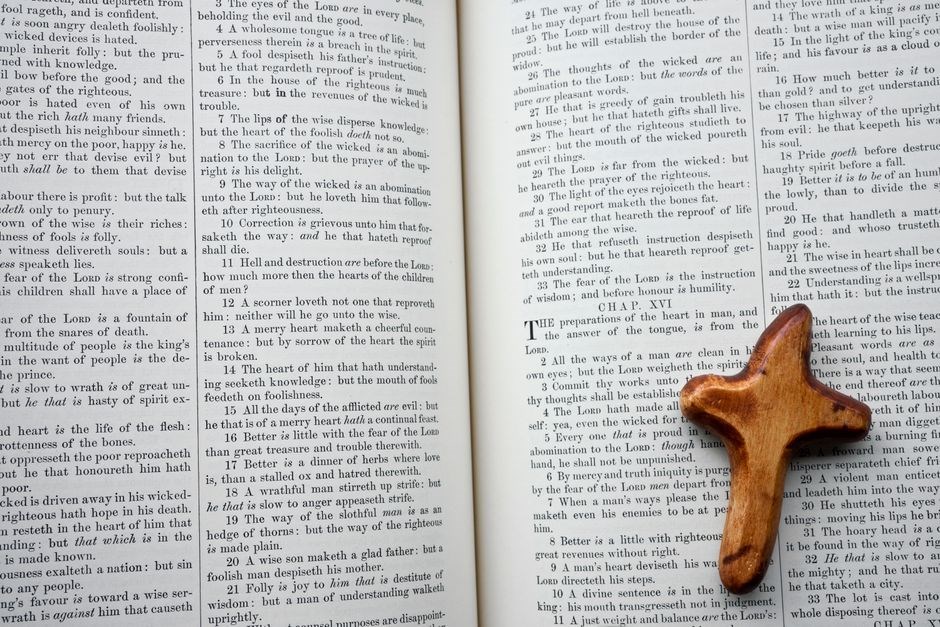
Distribution and Study Use
Distribute your biblical numerology PDF via email cloud storage, or study group platforms. Encourage peer review and discussion. Use bookmarks, annotations, and shared folders to track insights. Regularly update the PDF with findings to keep the study dynamic.
8.1 Sharing PDFs with Study Groups and Online Platforms
Remember to respect copyright laws; if the PDF contains excerpts from the Bible, ensure they are in the public domain or properly cited. For non‑public domain content, use a summary or create original commentary. Additionally, consider adding a watermark or a brief copyright notice to protect the work. When sharing on social media, use relevant hashtags like #BiblicalNumerology, #StudyGroup, #PDFStudy to reach interested audiences. Encourage members to share their own numerical observations in a shared spreadsheet, which can then be referenced in future PDF updates. By maintaining an organized, collaborative workflow, the biblical numerology PDF becomes a dynamic study tool that grows with each new insight. Stay curious and keep exploring. The PDF can also include interactive elements such as hyperlinks to related passages, a glossary of key terms, and a bibliography of scholarly sources. Members can annotate directly, leaving notes in the margin for future reference. Regular updates keep the study fresh, incorporating new discoveries and insights from ongoing research. and encourage collaboration across different faith traditions globally. to deepen mutual understanding shared learning!!!
No Responses