
Understanding Power Seat Mechanics
Power seats utilize electric motors and intricate gear systems for adjustment, differing significantly from manual setups lacking these components.
Manual movement often involves disengaging cables or directly manipulating seat track gears with tools like screwdrivers.
However, vertical adjustments frequently lack a manual override, presenting challenges for repositioning a non-functional seat.
Basic Components of a Power Seat System
Power seat systems fundamentally rely on several key components working in unison. An electric motor provides the driving force, connected to a series of gears that translate rotational motion into linear movement. Cables often link these gears to the seat tracks, enabling forward/backward and sometimes up/down adjustments.
When the system fails, manual intervention becomes necessary. Disconnecting the cables controlling forward and aft movement allows for direct manipulation of the seat track gears using a screwdriver. However, remember that manual overrides for vertical adjustments are typically absent, making those movements considerably more difficult to achieve without specialized tools or disassembly.
How Power Seats Differ from Manual Seats
Manual seats utilize simple mechanical linkages, often with a lever or crank, for direct user control of seat position. Conversely, power seats replace these with electric motors, gears, and cables, offering convenience but introducing complexity. This difference is crucial when a power seat malfunctions.
Unlike manual seats, power seats generally lack a manual override for all adjustments. While forward/backward movement can sometimes be achieved by disengaging cables and using a screwdriver on the seat track gears, vertical adjustments often prove impossible without more invasive methods. The inherent design difference dictates the approach to manual manipulation;

Diagnosing a Non-Functional Power Seat
Identifying the cause is key; a failed motor, stripped gears, or disconnected cables may prevent movement. Manual override attempts involve accessing and engaging seat track mechanisms.
Identifying the Cause of Seat Immovability
Determining why a power seat won’t move manually is crucial before applying force. Often, the issue stems from a failed electric motor, preventing any powered adjustment. However, stripped gears within the seat track mechanism itself can also lock the seat in place, rendering manual attempts ineffective.
Furthermore, broken cables connecting the motor to the tracks can sever the link between power and movement. Before resorting to forceful manipulation, inspect for visible damage or disconnections. Remember, attempting to move a seat with a fundamentally broken component risks causing further damage, so careful diagnosis is paramount.
Checking the Power Supply to the Seat
Before attempting manual manipulation, verify the power supply to the seat. A blown fuse is a common culprit, easily checked within the vehicle’s fuse box. Confirm the correct amperage fuse is installed. If the fuse is intact, use a multimeter to test for voltage at the seat’s electrical connector.
Lack of power indicates a wiring issue upstream, potentially a broken wire or faulty switch. However, even with power present, a faulty motor or mechanical obstruction can still prevent movement. Remember, bypassing the system to directly power the motor (advanced technique) requires caution.
Manual Movement Techniques ― Forward and Backward
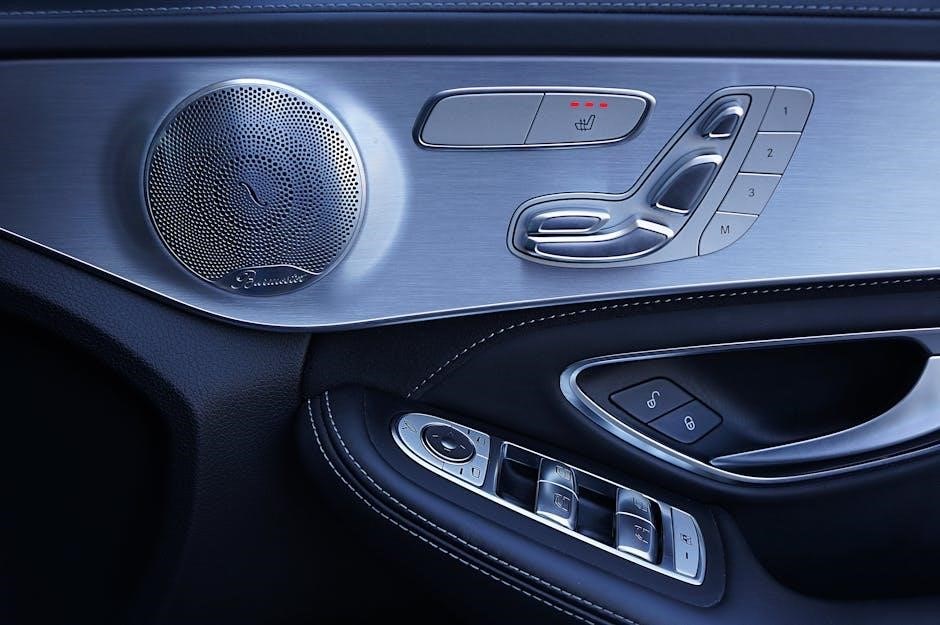
Accessing seat tracks allows for manual adjustment; disconnecting center cables or engaging gears with a screwdriver enables forward/backward motion;
Carefully apply force, ensuring a secure grip to avoid slippage and potential damage to the mechanism.
Accessing the Seat Tracks
Locating the seat tracks is the initial step for manual manipulation. Typically, these are found underneath the seat cushion, running horizontally along the vehicle’s floor. Removing any plastic covers or obstructions may be necessary to gain clear access.
For older Buick models (like the Grand National/T-Type), the center cables controlling forward and backward movement are readily accessible. Disconnecting these cables is a common starting point. However, the core method involves identifying the “gear nut” portion of the seat track mechanism itself. This is where a screwdriver can be inserted to manually drive the seat.
Ensure adequate lighting and space to work comfortably and safely. Careful observation will reveal the specific points where force can be applied to initiate movement.
Using a Screwdriver to Engage the Seat Track Gears
Inserting a small, flat-head screwdriver into the “gear nut” section of the seat track is crucial. This engages the teeth of the gear, allowing for manual propulsion. Apply firm, steady pressure while rotating the screwdriver handle. The direction of rotation dictates the direction of seat movement – forward or backward.
Some forums suggest this method works effectively on 87 and newer Buick models, alongside older ones. Be prepared for resistance; the gears may be stiff or corroded. Avoid excessive force, as this could strip the gears. Patience and controlled movements are key to success.
This technique essentially bypasses the electric motor, directly controlling the seat’s position.
Applying Force with a Screwdriver – Safety Precautions
Exercise extreme caution when applying force with a screwdriver to engage seat track gears. Stripped gears are a significant risk with excessive pressure, rendering the manual override ineffective and potentially causing further damage. Protect your hands with gloves to prevent scrapes or injuries from the metal components.
Ensure a firm footing and stable position to avoid losing balance during the process. Avoid jerky or sudden movements; smooth, controlled force is preferred. Be mindful of surrounding areas and passengers to prevent accidental contact or injury.
Remember, this is a temporary fix; prioritize professional repair.

Manual Movement Techniques ‒ Up and Down/Recline
Vertical and recline adjustments often lack a manual override, making direct manipulation difficult. Tool engagement may be attempted, but success is limited and risky.
Power seat tracks differ from manual ones, preventing simple movement without functional motors and gears.
Limitations of Manual Override for Vertical Movement
Attempting to manually adjust the vertical height or recline of a power seat presents significant challenges. Unlike forward and backward movement, where seat track gears can sometimes be engaged with a screwdriver, up and down adjustments often lack a readily accessible manual override mechanism.
The internal design of power seat systems frequently lacks exposed gears or cables for vertical control. This means directly forcing the seat up or down is often impractical and risks damaging the delicate internal components. Many forums confirm there isn’t a way to manually crank them.
Successfully engaging any mechanism requires considerable force and a deep understanding of the seat’s internal workings, which isn’t typically available without detailed schematics.
Attempting to Engage Seat Mechanisms with Tools
When manually overriding a power seat, a small slot screwdriver is often the tool of choice for engaging seat track gears. The screwdriver is inserted into the “gear nut” portion of the track, allowing for limited forward and backward movement. However, this method requires caution, as excessive force can strip the gears.
Some users have reported success using a cordless drill attached to the seat motor to activate movement, though this is an advanced technique. Jamming a screwdriver between teeth is another reported, albeit risky, method.
Remember, these are workaround solutions and carry the potential for damage if not executed carefully.

Alternative Methods for Seat Adjustment
Advanced techniques include utilizing a cordless drill to directly activate the seat motor, or disconnecting the motor entirely for manual repositioning.
These methods require mechanical aptitude and should be approached with caution to avoid damage.
Using a Drill to Activate the Seat Motor (Advanced)
Employing a drill to move a defunct power seat is an advanced technique demanding careful execution. First, access the seat motor, often requiring removal of seat covers and potentially unbolting the motor itself.
Attach a properly sized drill bit to the motor’s drive shaft. Apply brief, controlled bursts of power from the drill, alternating direction to move the seat forward, backward, or adjust its height.
Avoid sustained pressure, as this can overload the motor or damage the internal gears. This method bypasses the electrical system, providing direct mechanical force, but requires caution and understanding of the seat’s mechanics.
Proceed slowly and observe for any resistance or unusual noises.
Disconnecting the Motor for Manual Adjustment
Disconnecting the seat motor allows for limited manual adjustment, though it doesn’t replicate full functionality. After safely disconnecting the battery, unbolt the motor from the seat frame. This frees the gears from electrical control, enabling some degree of movement.
Utilize a screwdriver or similar tool to engage the exposed gears within the seat track mechanism.
Apply gentle force to shift the seat, understanding that resistance will be significant. This method is primarily for repositioning the seat for repair or removal, not for regular adjustment, as it lacks the ease and precision of powered operation.
Exercise caution to avoid damaging the gears.
Safety Considerations When Manually Moving Seats
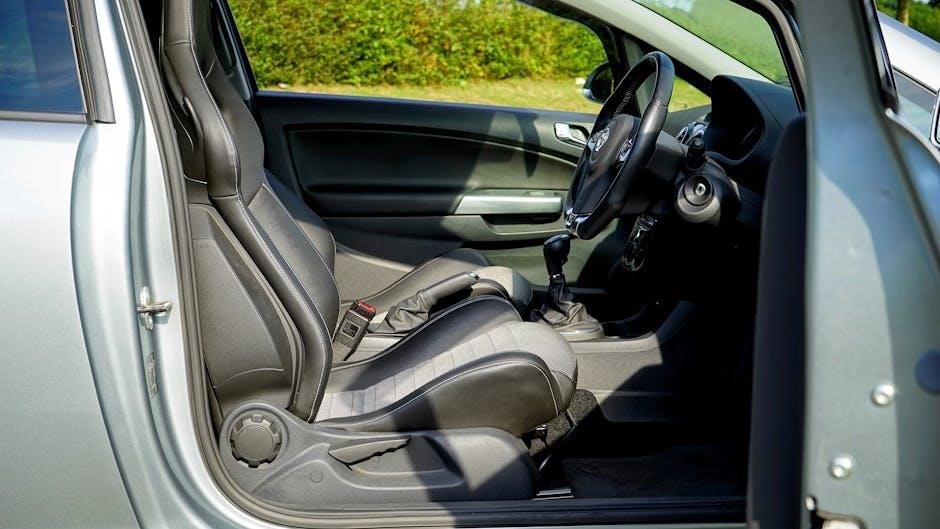
Avoid damaging the delicate seat mechanism during forced manual adjustments. Prevent personal injury by exercising caution and using tools carefully when applying force to move the seat.
Avoiding Damage to the Seat Mechanism
Manually overriding power seats carries inherent risks of damaging the internal components. Applying excessive force with screwdrivers to engage seat track gears can strip them, rendering the tracks unusable. Be extremely cautious when attempting to force movement; avoid jerky or abrupt motions.
Disconnecting cables, while sometimes effective, can potentially strain or break them if not done gently. Remember that power seat tracks are fundamentally different from manual ones, lacking the robust design for direct manipulation. Prioritize gentle persuasion over brute force to prevent costly repairs or the need for complete seat replacement.
Preventing Personal Injury During Manual Adjustment
Manually adjusting a power seat presents several safety concerns. Using screwdrivers to force movement creates pinch points, risking hand or finger injuries. Ensure the vehicle is completely stationary and the parking brake is engaged before attempting any adjustments.
Avoid placing any body parts within the seat’s range of motion during manual manipulation. If utilizing a drill to activate the motor, exercise extreme caution to prevent accidental activation or tool slippage. Always wear appropriate safety glasses and gloves. Remember, these methods are not designed for regular use and should be approached with utmost care.

Tools Required for Manual Seat Manipulation
Essential tools include both slot and Phillips head screwdrivers for engaging seat track gears. A cordless drill may be used cautiously to activate the seat motor directly.
Screwdrivers (Slot and Phillips Head)
Slot head screwdrivers are frequently utilized to directly engage the gear mechanisms within the seat tracks, allowing for manual forward and backward movement when the power function fails.
Specifically, inserting the screwdriver into the “gear nut” portion of the track enables controlled force application.
Phillips head screwdrivers may be necessary for disassembling seat components to access the tracks or for removing bolts securing the seat.
Careful application of force with either type is crucial to avoid stripping the gears or damaging the delicate seat mechanisms.
These tools provide a direct mechanical link, bypassing the electrical system.
Cordless Drill (Optional)
A cordless drill presents an advanced, though potentially effective, method for manually adjusting a power seat, particularly when the motor is functional but unresponsive to electrical signals.
By carefully attaching the drill to the seat’s motor shaft, the drill’s rotational force can directly activate the seat’s movement mechanisms.
This technique requires caution and understanding of the seat’s wiring to avoid electrical damage.
It’s often employed as a diagnostic step, confirming motor functionality before considering replacement.
However, it’s not a universal solution and demands mechanical aptitude.
Accessing Seat Components
Locating seat track bolts is crucial for potential disassembly, while removing seat covers provides improved access to the underlying mechanisms and gears.
This facilitates manual manipulation.
Locating Seat Track Bolts
Identifying seat track bolts is a fundamental step when attempting manual seat adjustment. These bolts secure the seat tracks to the vehicle’s floor, and their accessibility varies depending on the vehicle model. Typically, they are found along the front and rear edges of the seat tracks, often concealed by plastic covers or carpeting.
Removing these covers may be necessary to gain clear access. The forum discussions indicate that even with a non-functional power seat, the bolts should remain accessible regardless of the seat’s current position. Loosening or removing these bolts can allow for greater freedom of movement during manual repositioning efforts, though caution is advised to avoid damaging the tracks or surrounding vehicle structure.
Removing Seat Covers for Better Access
Seat covers often obstruct access to crucial components needed for manual seat manipulation, like the seat tracks and underlying mechanisms. Removing these covers provides a clearer view and improved access for engaging gears or applying force with tools. The process usually involves locating hidden fasteners – often screws or clips – around the cover’s perimeter.
Carefully pry or unclip the cover, avoiding forceful actions that could damage it or the seat itself. Exposing the seat tracks allows for direct engagement with the gearnuts, as suggested for older Buick models, facilitating manual forward and backward movement.
Troubleshooting Common Issues
Stripped gears within the seat track or broken cables connecting to them are frequent causes of immobility, hindering manual override attempts.
These issues necessitate direct mechanical intervention, like screwdriver engagement, to attempt movement.
Stripped Gears in the Seat Track
Stripped gears within the seat track mechanism represent a significant obstacle when attempting manual movement of a power seat. These gears are crucial for translating motor power into linear motion, and damage renders the manual override less effective.
Often, forcing a screwdriver into the gearnut part of the track, as suggested by forum users, becomes increasingly difficult or impossible with compromised teeth.
The lack of engagement prevents the seat from responding to applied force. In such cases, a more involved repair, potentially including track replacement, is often necessary to restore functionality, rather than relying on temporary manual adjustments.
Diagnosis involves visual inspection under the seat.
Broken Cables Connecting to the Seat Tracks
Broken cables are a common culprit when power seats fail to move, directly impacting manual override attempts. These cables transmit force from the motor to the seat tracks, and a break severs this connection.
As noted in online forums, particularly regarding older Buick models, disconnecting these cables is sometimes a first step in attempting manual movement, but a broken cable negates this approach.
Without a functional cable, even engaging the seat track gears with a screwdriver yields no result, as no force is being transferred. Replacement of the damaged cable is then required for restoring seat adjustability.
Inspect cable connections under the seat.
Long-Term Solutions
Replacing the faulty motor restores power function, while converting to manual seats offers a permanent fix, eliminating electrical issues altogether.
Drill activation is a temporary workaround, but a full repair or conversion is recommended for lasting usability.
Replacing a Faulty Seat Motor
Addressing a non-functional power seat often necessitates replacing the motor itself. This involves disconnecting the battery to prevent shorts, then accessing the motor, typically located beneath the seat. Disconnect wiring harnesses and carefully remove the old motor, noting its orientation for reinstallation.
When installing the new motor, ensure proper alignment with the seat’s gear system. Reconnect the wiring harnesses securely. Some vehicles may require recalibration of the seat position memory after motor replacement. If manual movement was previously achieved via a drill, discontinue that practice post-repair; A functioning motor restores the intended power adjustment capabilities.
Converting to Manual Seats
A permanent solution for consistently failing power seats is conversion to manual operation. This requires sourcing manual seat rails and mechanisms compatible with your vehicle. Removing the power seat tracks is the initial step, followed by installing the manual replacements.
This process often involves drilling new mounting holes and ensuring secure attachment. Be aware that manual seats lack the convenience of power adjustments. While eliminating electrical issues, this conversion sacrifices features. If temporary manual movement was achieved with screwdrivers, this becomes unnecessary. Thoroughly test the manual adjustment mechanism post-installation.
Vehicle-Specific Considerations
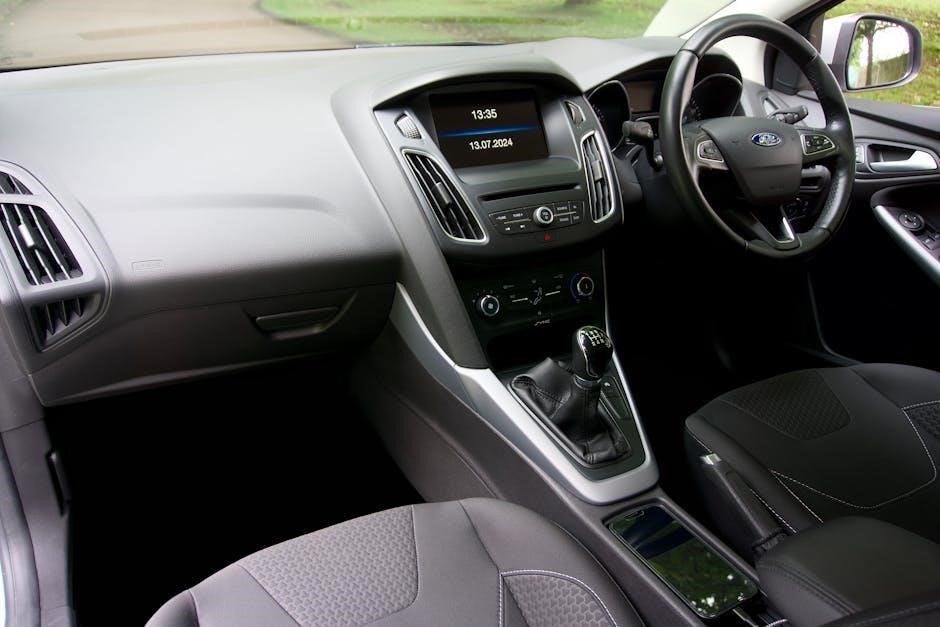
Buick Grand Nationals and T-Types often allow manual movement by disengaging center cables and using a screwdriver on seat track gears.
Ford Explorers lack a manual override; forcing with a screwdriver may be necessary.
Jeep and Chevy Colorado/GMC Canyon models may require motor disconnection and drill activation.
Buick Grand National/T-Type Power Seat Manual Override
For 1986 and older Buick Grand Nationals and T-Types, a relatively straightforward manual override method exists when the power seat motor fails. The primary technique involves locating and disengaging the center cables connected to the seat tracks. These cables are directly responsible for controlling the forward and backward movement of the seat.
Once accessible, carefully detach these cables. Then, utilizing a small slot screwdriver, insert it into the gearnut portion of the seat track mechanism. This allows you to manually rotate the gears, effectively pushing or pulling the seat along its rails. This method also reportedly works on 1987 and newer models, offering a practical solution for adjusting the seat without power.
Chevy Colorado/GMC Canyon Power Seat Manual Override
Addressing a defective seat motor in Chevy Colorado or GMC Canyon models can be challenging, as a direct manual override isn’t readily available. A more advanced, though potentially effective, technique involves unbolting the seat motor if accessible. Once detached, a cordless drill can be carefully attached to the seat’s internal mechanism.
By operating the drill, you can attempt to activate the seat’s gears, forcing movement. However, proceed with caution, as this method requires mechanical aptitude and carries the risk of damaging the system. Consulting the vehicle’s service manual is highly recommended for detailed testing procedures and diagrams before attempting this approach.
Ford Explorer Power Seat Manual Override
Ford Explorer power seats, unfortunately, lack a dedicated manual override feature. The seat tracks are fundamentally different from manual counterparts, relying entirely on the functioning motors and gears for movement. Without power, the seats simply won’t adjust. A common workaround, though requiring force, involves jamming a screwdriver into the teeth of the seat track gears.
This method allows for forced movement, but it’s crucial to exercise caution to avoid damaging the delicate internal mechanisms. It’s important to understand that this is a temporary solution and doesn’t address the underlying electrical issue.
Jeep Power Seat Manual Override
Jeep power seats, similar to some other vehicles, do not feature a manual crank or override mechanism for direct adjustment when the power function fails. Accessing the seat rail bolts is possible regardless of the seat’s current position, allowing for potential removal and manual repositioning. However, directly manipulating the seat’s internal gears is the primary method.
Under the seat, you can locate the screwdrivers responsible for moving the seat. Applying force to these with a tool can move the seat, but there isn’t a designed way to crank it manually.
Preventative Maintenance
Regular lubrication of seat tracks ensures smooth operation, while frequent testing of seat functionality can identify issues before they necessitate manual intervention.
Addressing minor problems early prevents complete failure and the need for forceful manual adjustments.
Lubricating Seat Tracks
Maintaining lubricated seat tracks is crucial for preventing future issues requiring manual seat manipulation. Applying a silicone-based lubricant directly to the tracks allows for smoother movement and reduces strain on the electric motors. This proactive step minimizes the chance of gears stripping or cables becoming strained, potentially leading to seat immobility.
Regular lubrication, ideally every six months, ensures the seat can adjust easily with the power function. If a seat becomes difficult to move electrically, lubrication should be the first attempted solution before resorting to manual override techniques involving screwdrivers or drills. A well-maintained track significantly reduces the risk of needing manual intervention.
Regularly Testing Seat Functionality
Consistent testing of your power seat’s full range of motion – forward, backward, up, down, and recline – is vital for early detection of potential problems. This proactive approach can prevent a minor issue from escalating into a complete failure requiring manual intervention. Listen for unusual noises during operation, which could indicate developing mechanical stress.
If you notice any resistance or sluggishness, investigate immediately. Addressing small issues promptly can avoid the need to resort to methods like screwdriver manipulation of seat track gears. Regular checks ensure the seat remains responsive and avoid the inconvenience of a stuck position.
No Responses